Sarah Thompson
Network Intelligence Analyst
Professional Background
I Read Networks the Way Investigators Read Evidence
My name is Sarah Thompson. I am a network intelligence analyst based in Seattle, Washington, with over 12 years of experience in IP geolocation systems, WHOIS forensics, domain intelligence, and network data accuracy. Seattle sits at the center of a significant chunk of global internet infrastructure — major cloud providers, backbone carriers, and CDN networks all have substantial operations here. Working in this environment has given me a ground-level understanding of how IP data is generated, distributed, and — frequently — how it ends up wrong.
My background is in network data analysis and digital forensics. Before joining Trust My IP, I worked on geolocation accuracy projects — the unglamorous but critical work of figuring out why an IP address resolves to the wrong city, why a WHOIS record contains deliberately obscured ownership data, and why two reputable lookup tools can return completely different results for the same address. That work taught me that network data is rarely as clean or reliable as it appears, and that understanding its limitations is just as important as knowing how to read it.
What I Focus On at TrustMyIP
My work covers the intelligence and data accuracy side of IP and domain research. In practice, that means:
- IP Geolocation Analysis: Understanding how geolocation databases are built, where their data comes from, why they diverge from each other, and what it actually means when your IP shows a location that is not yours — including when that is a data accuracy issue versus a routing issue versus a proxy detection problem.
- WHOIS & Domain Forensics: Reading WHOIS records beyond the surface layer — identifying privacy proxy services, interpreting redacted post-GDPR registration data, cross-referencing historical WHOIS snapshots, and recognizing the patterns that indicate domain abuse, fast-flux infrastructure, or ownership obfuscation.
- Reverse IP & Hosting Intelligence: Mapping the relationship between IP addresses, hosting providers, ASNs, and the domains sharing that infrastructure — useful for due diligence, abuse investigation, and understanding why one bad neighbor on shared hosting can damage your IP reputation.
- Network Data Accuracy & Discrepancy Research: Investigating why lookup tools return conflicting data, how geolocation databases update their records, and what the correction process actually looks like when your IP is mapped to the wrong location in a major database.
- Digital Footprint Analysis: Documenting what network-level data reveals about a user or organization — what is visible, what is inferrable, and what privacy measures actually reduce that exposure versus what only creates the appearance of doing so.
Why Data Accuracy Is the Foundation of Everything
Most network security and privacy guidance assumes that the underlying data — your IP location, your domain's ownership record, your hosting provider's reputation — is accurate. In my experience, that assumption fails more often than people realize. A business can have their email flagged as spam because their IP geolocation puts them in a high-risk region they have never operated in. A website owner can be incorrectly associated with malicious infrastructure because of a shared IP range they have no connection to. A user can be blocked by a fraud detection system based on geolocation data that is simply outdated.
Understanding where that data comes from — who maintains it, how it gets updated, and what the realistic correction timeline looks like — is what separates useful guidance from advice that sounds correct but does not actually solve the problem. That is the gap I try to close in everything I publish.
How I Approach Every Guide I Write
I verify before I publish. If I am writing about geolocation discrepancies, I test across multiple databases and document the specific divergence I am seeing. If I am writing about WHOIS forensics, I work through real examples rather than constructing clean hypotheticals that do not reflect what records actually look like in the field. Network data is messy and inconsistent in specific, predictable ways — and my guides reflect that reality rather than smoothing over it.
I also update guides when the underlying data landscape changes. Geolocation database providers update their methodologies. WHOIS data availability shifted significantly after GDPR enforcement began. When those changes affect the accuracy of something I have published, I revise it.
Outside the Data
When I am away from network logs and database comparisons, I am usually on one of the hiking trails in the Pacific Northwest — which, if you have not been, offers a genuinely unreasonable amount of good terrain within a short drive of Seattle. I also drink more coffee than is probably advisable, which is fairly standard for this city and this industry. Seattle has a particular culture of people who are deeply curious about how systems work — technical, natural, social — and that suits me well. Curiosity is what keeps this work interesting after 12 years, and I have not run out of things to be curious about yet.
Expertise Focus
"Sarah Thompson is a network intelligence analyst based in Seattle, Washington, with over 12 years of experience in IP geolocation systems, WHOIS forensics, domain intelligence, and network data accuracy. At Trust My IP, she focuses on the data integrity layer — investigating geolocation discrepancies, mapping domain ownership through WHOIS forensics, and documenting what network-level data actually reveals about users and organizations. Her work is grounded in the understanding that network data is only useful when you know exactly how reliable it is."
Article Impact
Latest from Sarah
Someone Used My IP Address for Illegal Activity: What Actually Happens (2026)
Google Starts Using Your IP Address for Ad Tracking on August 3, 2026: What to Know
Best SIEM Software in 2026: Splunk vs Microsoft Sentinel vs IBM QRadar — The Brutal, Honest Comparison
How to Contact ISP to Change IP Address: Complete 2026 Guide (USA & Worldwide)
How to Check if My IP Address is Static or Dynamic: Complete 2026 Guide
How to Check IP Address History: 7 Proven Methods (2026 Guide)
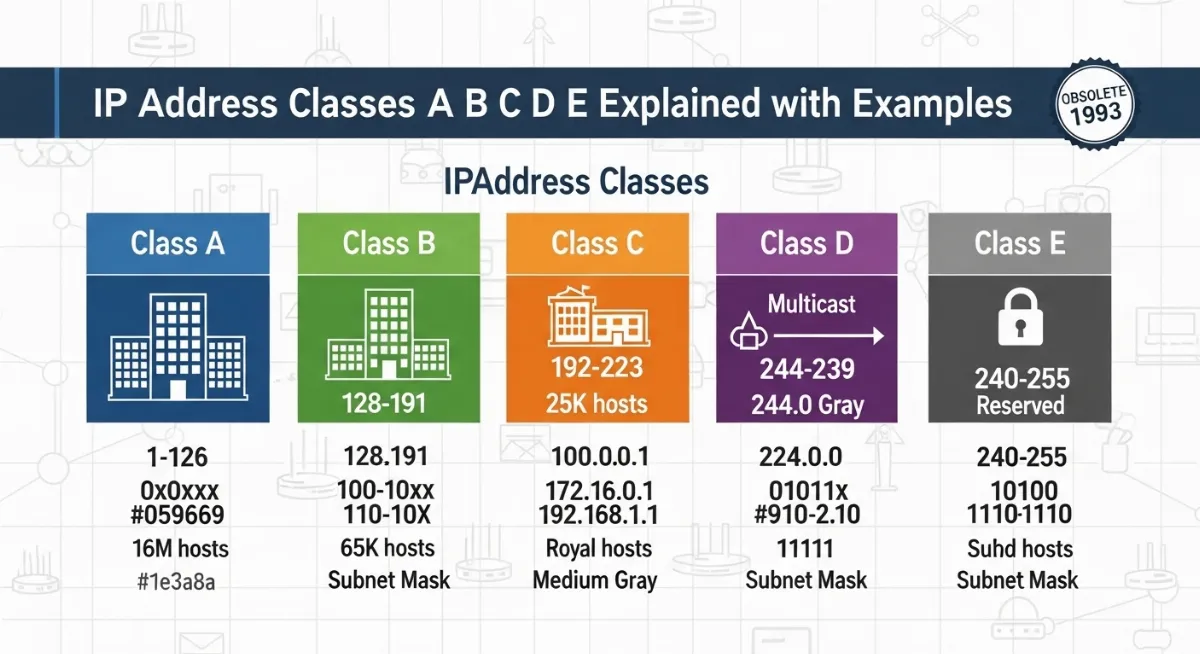
IP Address Classes A B C D E Explained with Examples
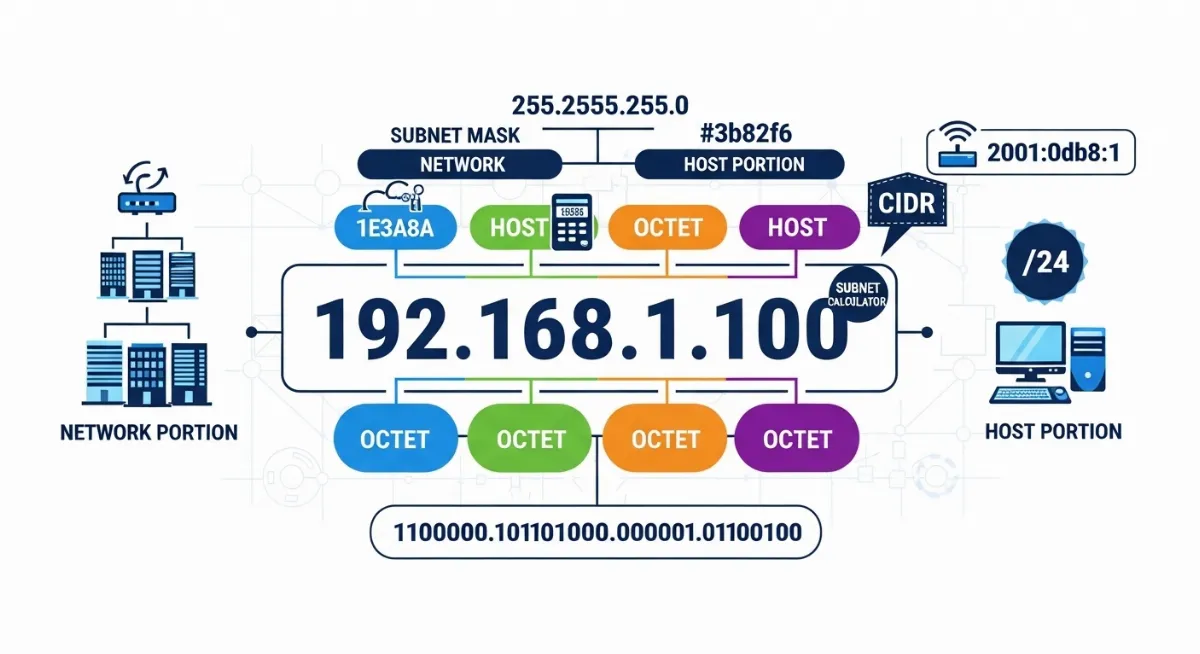
How to Read and Understand IP Address Format: Complete Guide 2026
Starlink Public IP Changed: Why It Happens & How to Fix It
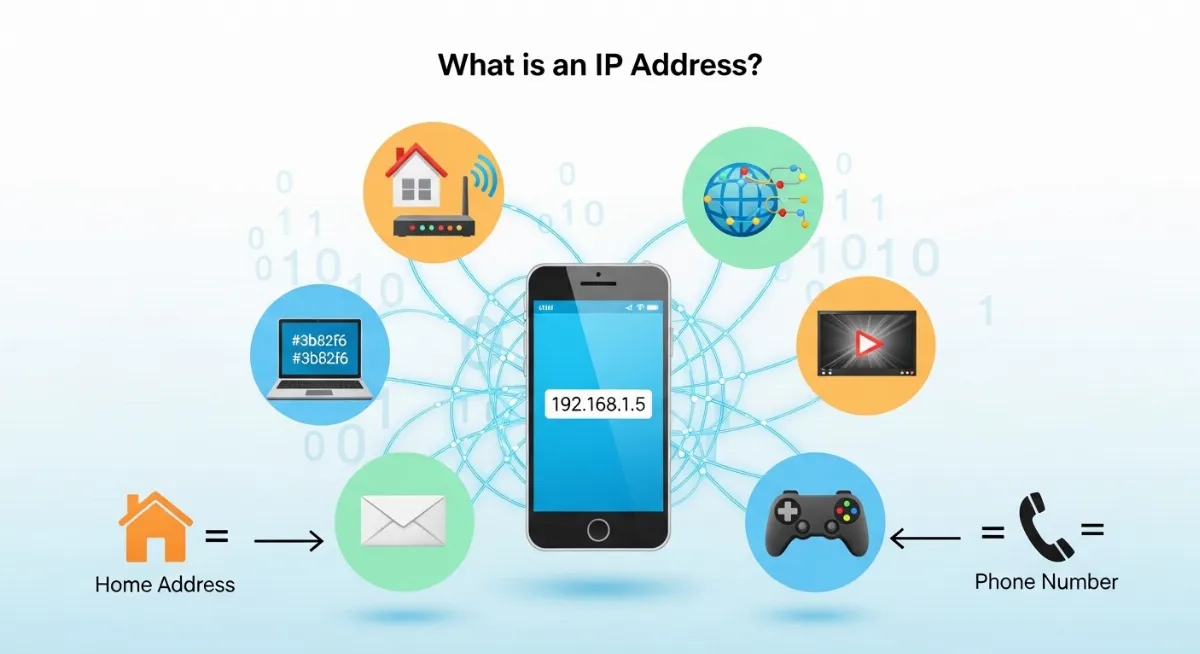
What is an IP Address and How Does It Work? Simple Explanation
How to Check Your IP Reputation Score for Bulk Email Marketing (2026 Guide)
What is IP Address Reputation Score? Complete Email Deliverability Guide 2026
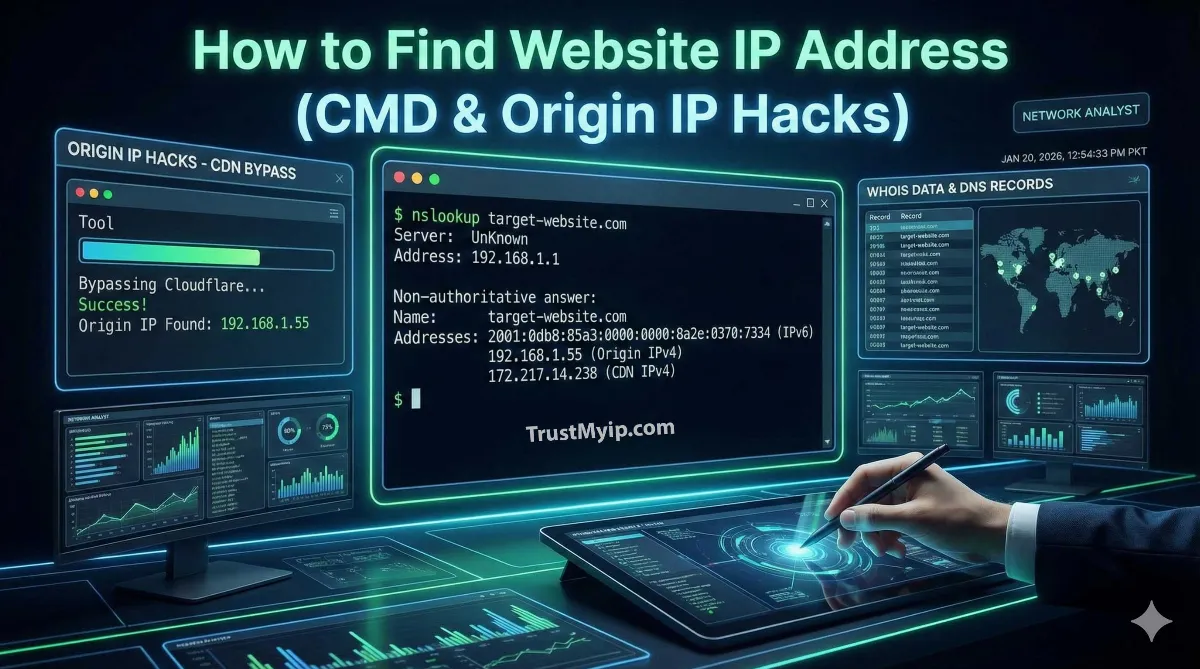
How to Find the IP Address of Any Website Server: The 2026 Forensic Guide
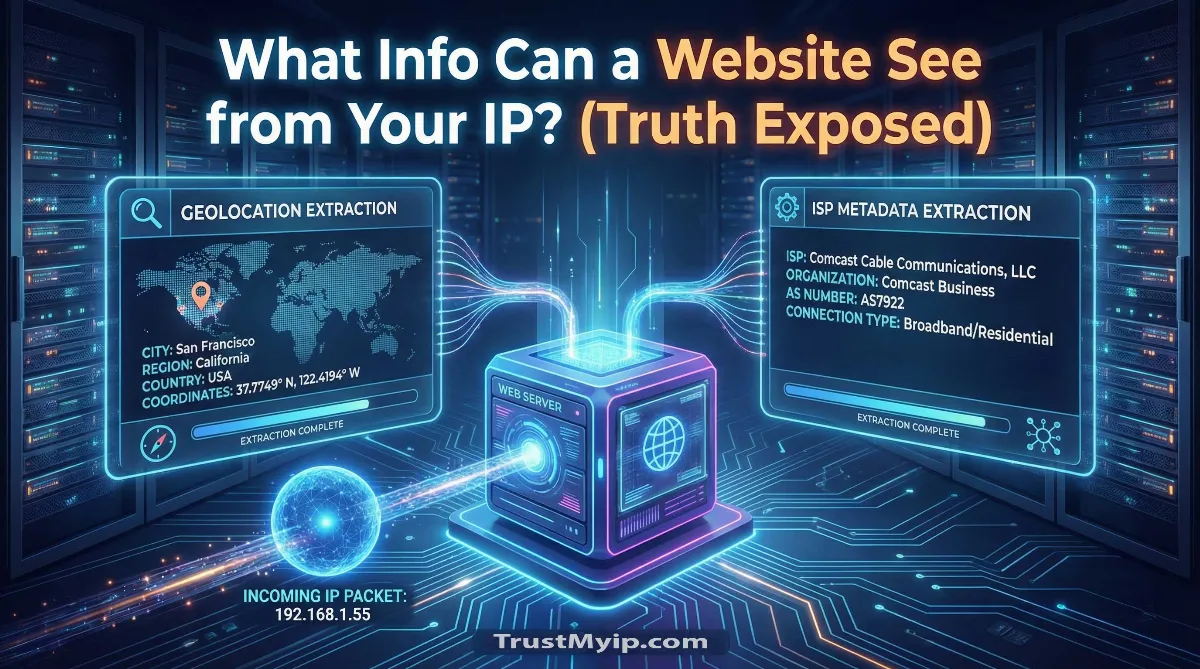
What Information Can a Website Actually See from Your IP? The 2026 Forensic Audit
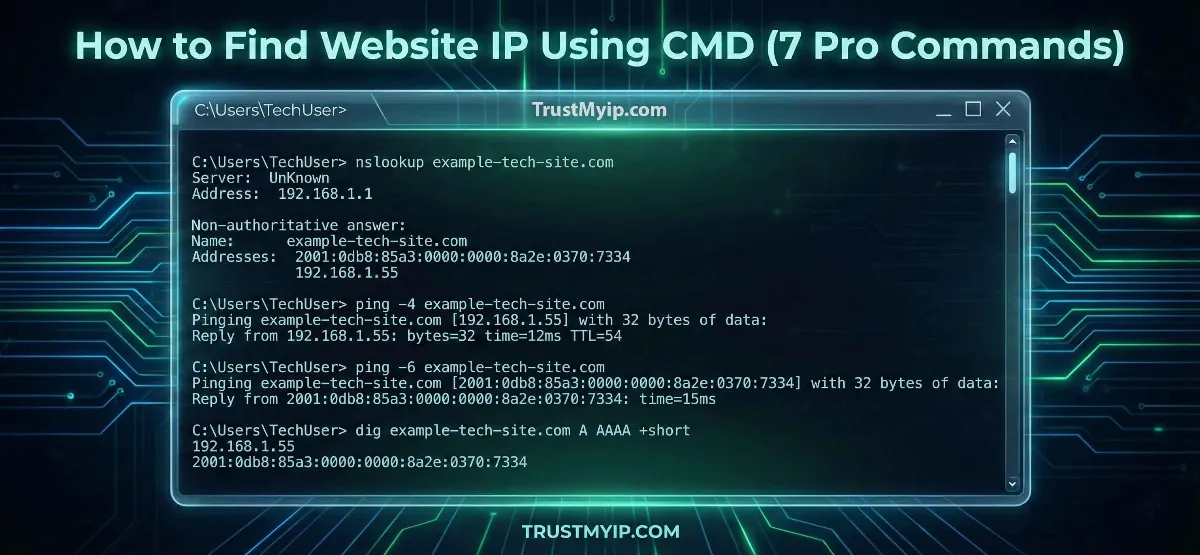
How to Find the IP Address of a Website Using CMD: The 2026 Forensic Guide
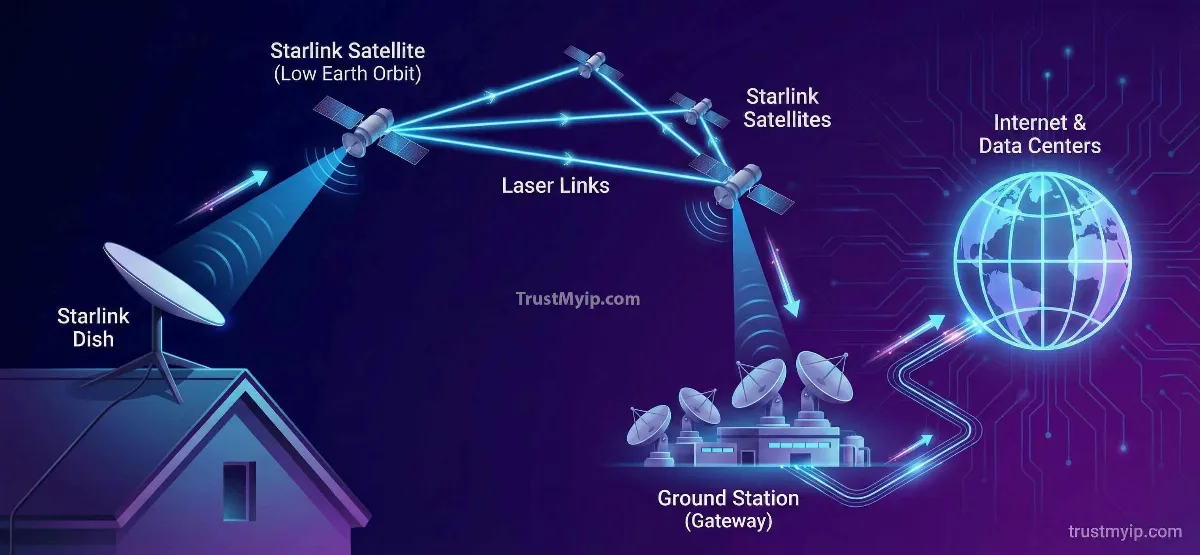
How Does Starlink Internet Work? The Complete 2026 Technical Guide
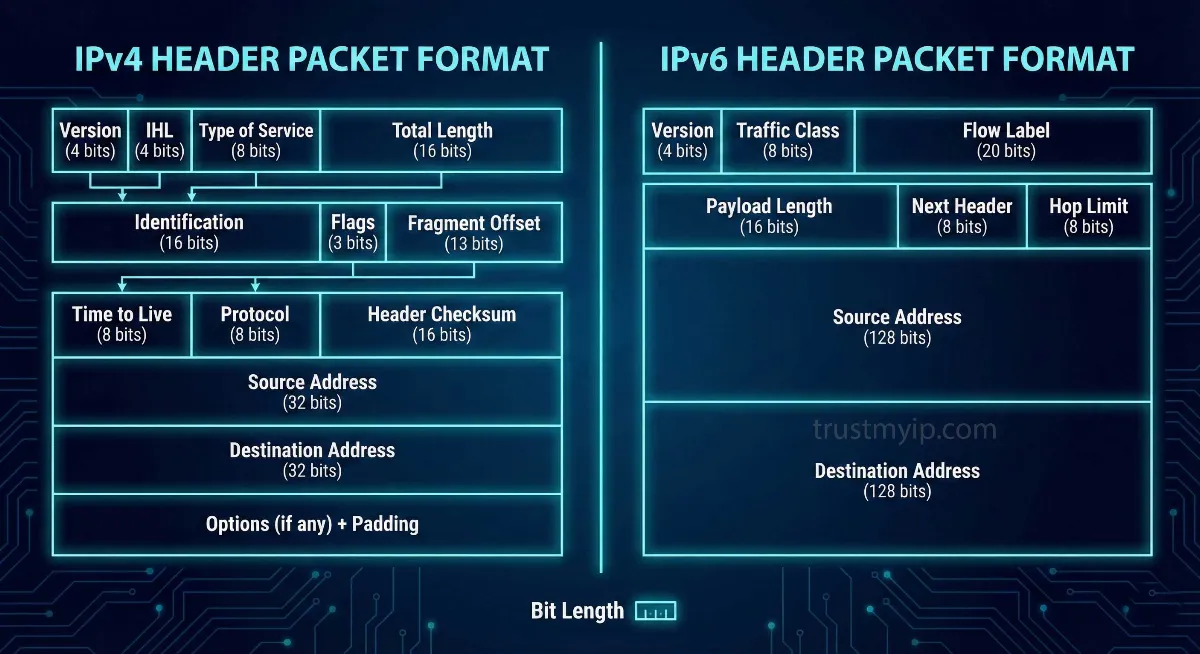
IPv4 vs IPv6 Header Comparison: Complete Technical Guide 2026
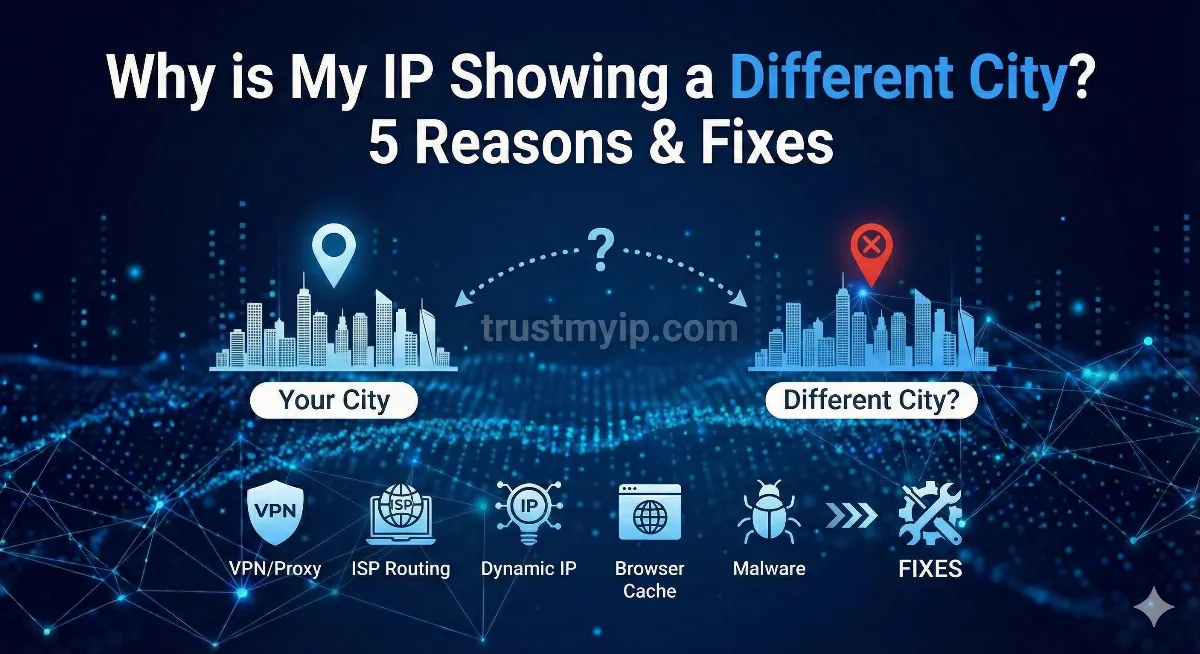
Why Is My IP Address Showing a Different City Than Where I Live?